

The use of powerful and often toxic drugs in the treatment of cancer is called “chemo” or chemotherapy. These drugs aim to kill cancer cells, or slow their growth and keep them from spreading while leaving healthy cells intact. Chemotherapy can be used alone or in combination with other treatments such as surgery or radiation therapy.

This nonsurgical procedure uses beams of radiation to treat tumors in the brain or spine or functional targets like in trigeminal neuralgia. Two general methods are used with similar radiation profile but different techniques. These include gamma knife or cyberknife.

This uses radiation to kill cancer cells. It can shrink tumors. There are several types of radiation therapy. This video will explain the common uses.
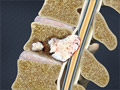
Spinal cancer develops in or near the spinal cord or within the vertebrae. It often spreads from other areas of the body to more more more levels of the spine. It can lead to a wide range of serious complications because of the delicate spinal cord and nerves.

Opioid addiction is overwhelming problem worldwide. While it can be devastating to many aspects of life it is treatable. With the right support, you can beat opioid addiction. Let’s learn about treatment options in this video.

Opioids are powerful medications for controlling pain. They can be abused or people can develop addiction which can lead to personality changes.
 Opioids are used to treat acute post surgical pain, cancer pain, and severe chronic pain. This is a type of powerful painkiller. They may help when other pain control methods aren’t working. But they can also affect your brain in a way that’s harmful. You can become addicted. Let’s learn about how they interact with your brain.

Opioids are a powerful class of drugs used to control severe pain. But they often aren’t recommended for many types of chronic pain. That’s because their long-term use can cause your body to begin to depend on them.

This can be a viciuos cycle. Pain can cause depression and pain treatment can add to depression. This video will take a few minutes to learn about this connection.

Opioids are powerful tools for controlling short-term pain. But using them for a long time can lead to dangerous problems. That’s because long-term use causes severe side effects. Let’s look at how they can impact you.
 Many aspects of life can be off with addiction. You think your loved one could be abusing opioids. But how can you tell? Keep an eye out for these subtle signs of opioid abuse.

When it’s time for you to stop taking your opioid medication, you need to do it safely. If you’ve only been using your medication for a brief time, your doctor may say it’s OK to stop suddenly or you may need to slowly taper or convert over to a drug like suboxone.

An anticoagulant is a drug that keeps blood cells from sticking together. It keeps new blood clots from forming. It can keep existing clots from getting bigger. But it does put you at risk for uncontrolled bleeding. Let’s learn about how to use your drug safely.

If your doctor says you have high blood pressure, you need to get it under control. It’s important for your health. So take it seriously. Prepare to make some changes in your lifestyle. Medications may help, too. Here are some things that will make a difference.

If your doctor tells you your cholesterol is too high, you need to take steps to get it under control. It’s important for your health. So take it seriously. You’ll likely need to make some changes in your lifestyle. Here are some things that will make a difference.

After a heart attack, it’s important to get regular exercise. By exercising your heart, you lower your risk for future problems. But you need to make sure you’re exercising safely. Here are some things to keep in mind as you get back on your feet. Of course, before starting any exercise plan, talk to your doctor.

If you’ve had a stroke, you’re likely facing some unexpected challenges. Strokes affect different people in different ways, and every recovery is unique. But here are some things you’ll need to consider.

Measuring your blood pressure is an important tool for tracking your health. If your blood pressure is too high, you’re at risk for heart disease, stroke and other serious problems. When it’s too low, you can have dizziness, fainting and other issues. But what is considered “normal” pressure?

This is a problem with the rhythm of your heart. We call it “A-fib.” With it, your heart beats much faster than normal. And, the upper and lower chambers of your heart don’t work together like they should. For some, A-fib goes away on its own. But for others, it’s a long-term problem.
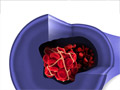
This condition is a blood clot that forms in a vein deep inside the body. This type of clot most commonly develops in the legs. This condition is dangerous, because the clot can break free and travel through the bloodstream to the lungs.

This is a blockage in one of your coronary arteries. They’re the vessels carrying blood to your heart’s tissue. A heart attack can strike suddenly, often without any warning.

Fast action during a heart attack can be the difference between life and death. Fortunately, most heart attacks start slowly. Many begin with telltale warning signs. If you know how to spot these signs, and if you act quickly, you can get the help you need before it’s too late.

Many people don’t realize that women and men often experience heart attack differently. We tend to think of a heart attack as a dramatic, chest-clutching event. But for many women, the signs are more subtle. Some women may mistake them for symptoms of heartburn, the flu, or aging. This can be dangerous.
When your heart beats, it pushes blood through your arteries. This creates pressure against the artery walls. If this pressure is too high, you have high blood pressure. It’s a common disease. But if you don’t manage it properly, it can cause health problems.
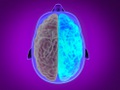
Your brain is divided into left and right halves, called “hemispheres.” They specialize in different things. Because of this, a stroke on the left side of your brain can be very different from a stroke on the brain’s right side. Let’s look at some symptoms of a left brain stroke.
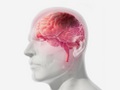
You can have a stroke that lasts for only a few minutes and then seems to go away. We call that a “mini-stroke.” It happens when part of your brain’s blood supply is blocked for a short time. But even if your symptoms disappear, a mini-stroke is a dangerous event. You need to seek help right away.

Fast action during a stroke can be the difference between life and death. Fortunately, there are many stroke warning signs. To help you remember the signs and how to respond, just use the word “FAST.” That’s F-A-S-T.

We know stress is bad for your health. So is high blood pressure. But is there a link between the two? Could the stress you feel be the cause of your high blood pressure? Well, we aren’t completely sure, because it’s complicated. Let’s learn more about stress and blood pressure.

The full name for these medicines is “angiotensin-converting enzyme inhibitors.” They are pills that lower your blood pressure. We use them for many conditions. They help with high blood pressure and heart disease. They also help with diabetes, kidney problems, migraines and other conditions.

These drugs lower your blood pressure. We use them to treat high blood pressure and other heart issues. They correct abnormal heart rhythms. They treat congestive heart failure, and chest pains we call “angina.” They can help prevent heart attacks. And they help with migraines and some types of tremors.

If you have trigeminal neuralgia, you know how distressing it can be. You feel drained and hopeless. You live in fear of the next attack. But the good news is that some attacks are caused by specific triggers. Avoid those triggers and you may have fewer attacks. Here are some triggers we know about.
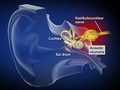
This growth is a benign tumor that forms on the vestibulocochlear nerve. This nerve leads from the inner ear to the brain. Acoustic neuromas usually grow slowly and do not spread. However, they can eventually grow so large that they press against surrounding structures, including the brain and other nerves.

This is nausea triggered by a sense of movement. It happens in cars, trains, boats or airplanes. It can happen on rollercoasters and other rides, and when you use virtual reality devices. And some people are more likely to get motion sickness than others.
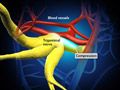
This chronic condition is caused by a misfiring of the trigeminal nerve. An attack causes brief episodes of extreme, shooting pain.
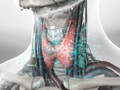
This is a problem with your thyroid. That’s a hormone-producing gland in your neck. The thyroid makes hormones that help control many activities in your body. These hormones affect things like your metabolism and heart rate. With hyperthyroidism, your thyroid makes more hormones than your body needs.

This is a problem with your thyroid. That’s a hormone-producing gland in your neck. The thyroid makes hormones that help control many activities in your body. These hormones affect things like your metabolism and heart rate. With hypothyroidism, your thyroid does not make enough hormones to meet your body’s needs.
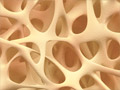
As you get older, your bones may get weaker. This is called “osteoporosis.” Weak bones are more likely to break. Osteoporosis can be a problem for anyone, but it is more common in women.
Your pituitary gland is found just under your brain. This pea-sized gland makes hormones that affect many of your body’s functions. A pituitary tumor can cause it to release too much or too little of these hormones. This can cause serious problems.

General anesthesia makes a person unconscious. People call this “put under” or “put to sleep.” But it isn’t the same as regular sleep. A person given general anesthesia cannot feel pain. And, the person won’t remember what happens during a medical procedure.

Local anesthesia makes a part of the body numb to prevent a patient from feeling pain during a medical procedure. Local anesthesia is commonly used for many minor outpatient surgeries.

You take an opioid medication for pain, and it’s causing constipation. This is a common problem for people who take these kinds of medications. But the symptoms can be improved. We can treat your constipation without changing your pain medication. But first, you need to tell your doctor about the problem. Here are some tips to help.

This is a type of x-ray that measures your bone density. Your doctor may recommend it if you’re at risk for osteoporosis (that’s a weakening of your bones). This scan is a quick and easy way to check for signs of bone density loss.

If you’ve been diagnosed with osteoarthritis, you may need to make some changes in your lifestyle. But you can still do many of the things you enjoy. You just have to take steps to manage your condition.

When you have osteoporosis, good health habits are a must. You need to stay as healthy as possible. And, you need to guard against broken bones. These tips will help.

If you’re dealing with neck pain, you know how frustrating it can be. Fortunately, you can try these simple strategies for managing neck pain.

As you get older, your risk for osteoporosis increases. That’s a disease that makes your bones thin and weak. A screening procedure called a “bone density test” shows if you have osteoporosis. It shows if you are likely to develop it. Or, if you are being treated for osteoporosis, it can show if your treatment is working.

Between the vertebrae of your spine are soft discs. They let your spine twist and bend. They absorb shocks. But if damaged, the disc’s soft center can push through the disc wall. That’s a herniated disc. This bulge presses against nerves in your spine.
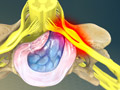
This condition is a rupture of one of the vertebral discs in your neck. A herniated disc can allow disc material to press harmfully against the spinal nerves.
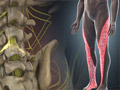
This condition is an irritation or compression of one or more nerve roots in the lumbar spine. Because these nerves travel to the hips, buttocks, legs and feet, an injury in the lumbar spine can cause symptoms in these areas. Sciatica may result from a variety of problems with the bones and tissues of the lumbar spinal column.

If you have back or neck pain that doesn’t go away, you may have osteoarthritis of the spine. Osteoarthritis is the most common form of arthritis. For many of us, it develops slowly as we age. And it can keep you from being as active as you like.

This condition is an abnormal curvature of the spine. It most often develops in early childhood, just before a child reaches puberty.
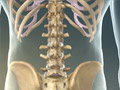
Lower back pain is a common problem that severely impacts the quality of your life. It can limit your ability to be active. It can cause you to miss work. Many different causes may lead to pain in your lower back.

Neck pain is a common problem that severely impacts the quality of your life. It can limit your ability to be active. It can cause you to miss work. Many different causes may lead to pain in your neck.
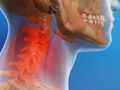
This is a common neck injury. It happens when your neck jerks back and forth quickly and violently. Your spine bends past its normal range of motion. This can injure the vertebrae of your cervical spine. It can damage the supporting ligaments and muscles in your neck.
If you have trigeminal neuralgia, you know how distressing it can be. You feel drained and hopeless. You live in fear of the next attack. But the good news is that some attacks are caused by specific triggers. Avoid those triggers and you may have fewer attacks. Here are some triggers we know about.
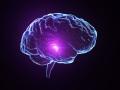
This therapy targets your brain with electricity. That sounds extreme, but our brains actually generate electricity of their own. It’s how brain cells send signals back and forth. And by directing electricity into your brain, we can treat certain mental disorders.
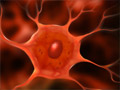
This is a tumor that begins in a brain cell called an “astrocyte.” These cells help give your brain its structure. An astrocytoma can form in your brain, in your brain stem or in your spinal cord. There are many types of astrocytomas. They can be cancerous or noncancerous. They can grow slowly or quickly. A doctor can figure out the specific type you have.

This is a mass of abnormal cells. It may be inside your brain, or it may be next to your brain. It can grow and press harmfully against healthy brain tissue. This can cause a wide range of problems throughout your body. A brain tumor can severely impact your life.
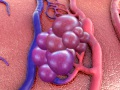
This is a mass of enlarged blood vessels in your brain or spinal cord. Pockets in the mass slow down or even trap blood. This can lead to blood clots, or to a leaking of blood we call a “hemorrhage.”
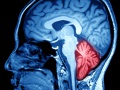
This is a structural problem with the back of the brain. It involves the cerebellum. That’s the part of your brain that controls balance. Normally, the cerebellum sits in a space at the base of the skull. It’s just above the opening to the spinal canal, called the “foramen magnum.” With Chiari malformation, the cerebellum slips down through this opening.
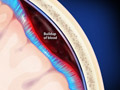
This condition is a buildup of clotted blood between the brain’s outer layer and the membrane that covers the brain (called the dura). It usually occurs in the elderly, and can be caused by even a minor bump to the head.

This is a tumor in your meninges. These thin layers of protective tissue surround your brain and spinal cord. Most meningiomas are not cancerous. They usually grow slowly.
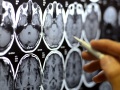
This is a cancer that began elsewhere in your body and then spread to your brain, forming one or more tumors. Many different cancers can spread this way. These tumors are actually more common than tumors that begin in the brain’s own tissues.

A migraine is an intense, throbbing headache that may be accompanied by nausea or dizziness. A migraine can last from hours to days.
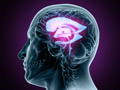
This condition, which usually occurs in adults 55 and older, is an excessive accumulation of cerebrospinal fluid (CSF) in the ventricles of the brain. The ventricles are a system of large, fluid-filled open spaces inside the brain. Too much CSF in the ventricles can distort the brain’s shape. It can make the brain susceptible to injury.
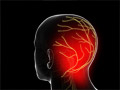
This condition is a distinct type of headache caused by irritation or injury of the occipital nerves. These nerves travel from the base of the skull through the scalp. This condition can result in severe pain and muscle spasms.
Your pituitary gland is found just under your brain. This pea-sized gland makes hormones that affect many of your body’s functions. A pituitary tumor can cause it to release too much or too little of these hormones. This can cause serious problems.

This is a set of symptoms that you may have after a concussion. That’s when your head is hit so hard your brain is injured. You can have a concussion even if you don’t lose consciousness.
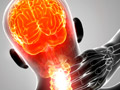
This is a chronic headache. It can develop after a whiplash injury (a violent back-and-forth jerking of the neck).

This is a serious mental disorder. It affects the way you think. It can make it hard for you to manage your emotions. It can make you act strangely and it can disrupt your life.

This is a sudden burst of electrical activity in your brain. It overwhelms parts of your brain, usually for no more than a few minutes. Most seizures don’t cause lasting harm.
This chronic condition is caused by a misfiring of the trigeminal nerve. An attack causes brief episodes of extreme, shooting pain.

The brain is the control center of the human body. It forms your thoughts and preserves your memories. It regulates your body’s actions, from the movements you choose to perform to the functions you don’t even consciously think about. Let’s take a closer look at the anatomy and the function of the brain.
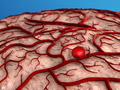
This condition is a bulge that forms in the wall of a weakened artery in the brain. This bulge can leak or rupture, causing a stroke. An aneurysm can be life-threatening.

This is a disorder of the nervous system. It affects movement, and it can interfere with your speech. It can severely impair your daily activities. Parkinson’s is most common in people age 50 or older. It is more common in men.
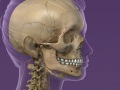
This is an injection of numbing medicine. It is delivered to the area around a bundle of nerves called the “sphenopalatine ganglion,” which lies deep within your face. This injection can be used to diagnose or to treat problems linked to these nerves.

This procedure, performed under general anesthesia, creates an opening through the skull for brain tumor removal. The surgery usually requires between two to five hours to complete. The length of surgery depends on the type and size of the tumor.
This procedure eliminates (or greatly reduces) the sharp bursts of pain in the facial nerves caused by trigeminal neuralgia. The procedure is performed under general anesthesia and requires a short hospital stay.